
CyberSure’s mission is to build a unified, AI-driven platform that delivers real-time protection, intelligent response, and embedded risk transfer to create a safer digital world.








Annual increase in cybercrime, per the ASD
CyberSure’s mission is to build a unified, AI-driven platform that delivers real-time protection, intelligent response, and embedded risk transfer to create a safer digital world.
Continuous monitoring, detection and response to keep threats out.
Continuous monitoring, detection and response to keep threats out.
Assessments that uncover weaknesses before attackers do.
Software built with security embedded from the start.
That’s why we built a unified, AI-powered platform that replaces disconnected tools with one intelligent system.
Our approach focuses on three core principles:
We use AI-driven monitoring, risk scoring, and automated remediation to detect threats early and reduce risk before incidents occur.
When threats arise, our autonomous AI SOC agents triage, contain, and escalate incidents instantly — backed by expert responders when needed.
By embedding cyber insurance and compliance scoring into the platform, we connect security posture to real-world financial outcomes — reducing risk and lowering costs for our customers.

At CyberSure we explain the level of service we are delivering from the outset. If you take our Residential Tier, we will provide you with a guide on what steps to take in the event of a cyber breach. If you take our Business Tier, we have a Managed Detection and Response component in our Endpoint Protection service which includes a 24/7 incident response service.
You can notify our Security Operation Centre of a breach and you will be contacted within 30 minutes to begin the investigation & remediation efforts. You incident response token can be activated on the web portal we provide you upon sign up.
CyberSure is designed to be simple and low maintenance for users once they are onboarded. Most of the work is done for you in the background through continuous monitoring of your digital identity and exposure data. You do not need any technical knowledge or cybersecurity experience to use the service effectively.
If CyberSure identifies that your information has appeared in a breach or may be at risk, we provide clear notifications along with practical next steps to help you respond quickly and confidently. This includes our Breach Guidance documents, which contain simple step-by-step instructions written in plain language. These guides are designed to help you secure your accounts, update passwords, enable additional protections such as multi-factor authentication, and monitor for suspicious activity without feeling overwhelmed.
Our guidance is aligned with advice from trusted government cybersecurity and identity protection agencies, including the Australian Cyber Security Centre (ACSC). This means the recommendations you receive follow recognised best practices and are focused on practical actions that everyday users can take to improve their security and reduce risk.
In most cases, the only ongoing effort required is maintaining good security habits, such as using strong passwords, enabling multi-factor authentication and reviewing alerts if CyberSure notifies you about new exposure risks. We aim to make cyber protection approachable and manageable by giving you clear guidance, reducing confusion and helping you take action only when needed.
The main differences between EDR (Endpoint Detection and Response) and traditional antivirus are:
If your personal information appears on the dark web, it usually means details connected to your identity have been exposed in a data breach or cyber incident. This can include information such as your email address, passwords, phone number, date of birth, banking details or identity documents. While this can sound alarming, it does not always mean your accounts have been compromised or that someone is actively using your identity. However, it is important to take action quickly to reduce the risk of fraud, scams or identity theft.
The first step is to secure your online accounts. Change the passwords for any affected accounts immediately, especially your email, banking, shopping and social media accounts. If you have reused the same password across multiple services, make sure you update those as well. Create strong, unique passwords for each account and enable multi-factor authentication (MFA) wherever possible. MFA adds an extra layer of security by requiring a code or approval from your phone before someone can sign in.
You should also stay alert for suspicious activity. Cyber criminals may use exposed information to send convincing scam emails, text messages or phone calls pretending to be trusted organisations such as banks, government agencies or delivery companies. Be cautious of unexpected requests for personal information, payment or verification codes. Regularly monitor your bank accounts, credit cards and online services for unusual activity, unfamiliar transactions or password reset notifications you did not request.
If sensitive identity documents such as your driver licence, passport or Medicare details have been exposed, you may need to contact the relevant organisation or government authority to understand whether replacement documents or additional protections are recommended. Keeping records of any suspicious activity and acting quickly can help minimise the impact.
CyberSure helps by monitoring for exposed personal information and alerting you when your digital identity may be at risk. Our goal is to give you clear, practical guidance so you can take action early, strengthen your security and stay protected online.
https://www.cyber.gov.au/report-and-recover/recoverfrom/identity-theft

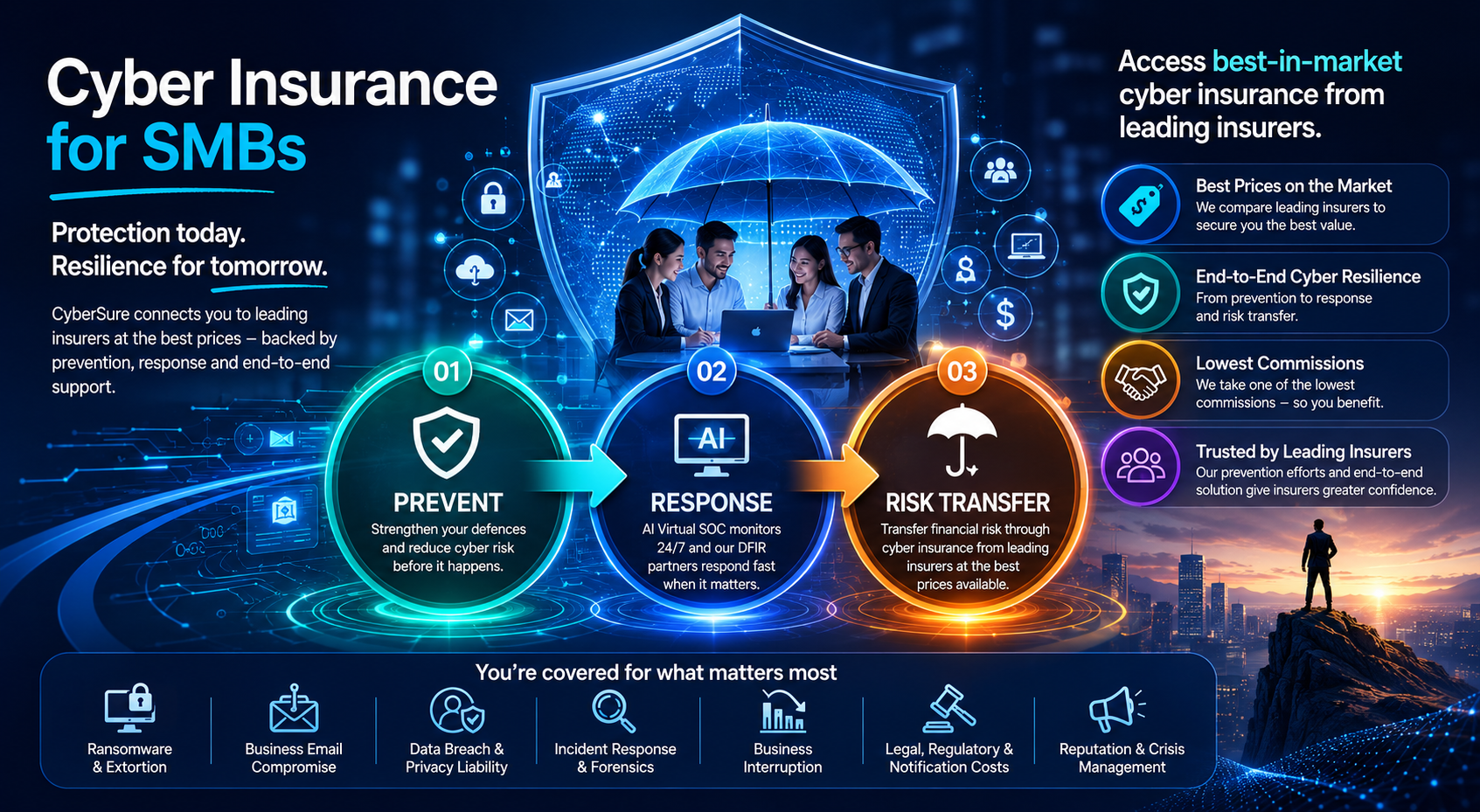

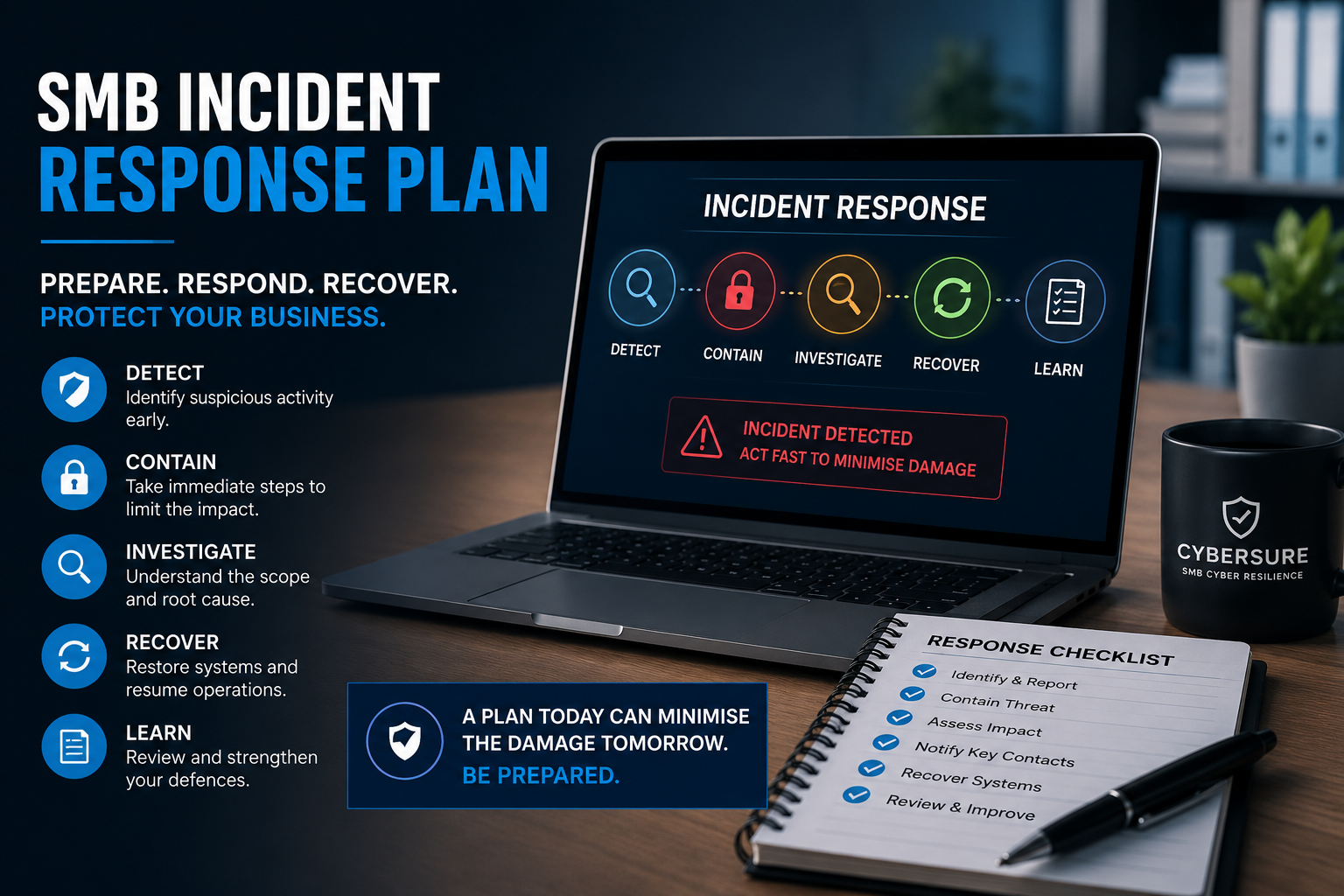
We’re here to help. Reach out to schedule a visit from one of our community wardens and get yourselves protected from Cyber attacks.
Great, let’s begin by completing our contact form, and we will reach out to schedule a meeting with one of our CyberSure representatives.